Kheerganga Trek from Delhi
Complete Delhi to Kheerganga Group Tour Package
4.9
(145 reviews)
₹9,100
₹6,500
per person
Trek Highlights
Fully organized — transport, stays, and trekking all arranged
Overnight AC Volvo/TT Delhi → Kasol both ways
Explore Kasol market & Chalal village
1 nights camping in the Himalayas
Trip Leader from Delhi to return
Group Departures - Make new like-minded friends!
Kheerganga Trek from Delhi Departure Dates
Every Thursday night departures from Delhi
Custom group departures on request
Kheerganga Trek from Delhi Overview
Kheerganga trek from Delhi generally starts on weekend and it’s a 5 days trekking adventure in the Himalayas. Most Kheerganga trekking packages from Delhi start from ISBT Kashmiri Gate by taking an overnight Volvo bus to Kasol. The trek starts from Barshaini followed by a 12km moderate hike that takes up to 5-6 hours to reach the summit at an altitude of 2,960 metres. Kheerganga Packages from Delhi generally start from ₹6,500 to ₹10,500 including Volvo bus transfers, meals, camping, expert guides and all permits.
Hidden deep inside Himachal’s Parvati Valley, the Kheerganga trek is a short Himalayan trek that offers forest trails, waterfalls, hot springs and starry nights at an altitude of 2,960 metres. It’s one of the most famous weekend treks from Delhi, especially among first‑time trekkers and backpackers who want an adventurous weekend experience without taking a long leave from office or work.
Most of our group departures from Delhi follow a comfortable 4N/5D itinerary. Overnight bus journey to Kasol, a relaxed day exploring Kasol and Chalal village. A full trekking experience through Parvati Valley with an overnight stay at Nakthan campsite and a summit hike to Kheerganga the next morning and an overnight bus journey back to Delhi. The package that is popularly sold as “Kasol–Kheerganga from Delhi” actually combines three experiences in one trip:
- Exploring Kasol market, cafes and Parvati river walk
- Short hikes like to Chalal and Choj Village
- A trek from Barshaini to Kheerganga and back, usually clubbed with a visit to Manikaran on the way
From Delhi, you need to board an evening Volvo or tempo traveller, our guide will be there to guide all the trekkers. Pick‑up is usually from Akshardham or ISBT/Kashmiri Gate and then an overnight drive to the mountains. By late morning your bus will arrive at Kasol, the backpacker paradise often called “Mini Israel” for its cafe culture and Israeli traveller crowd. After a day spent by the Parvati River and in the cedar forests around Chalal, you move to Barshaini and start the actual trek on day 2.
The trail from Barshaini follows the Parvati River, gradually climbing past waterfalls, wooden bridges and small Himalayan villages before reaching our beautiful campsite at Nakthan village. Since 2024 camping at the top of Kheerganga has been banned to protect fragile Himalayan ecosystems, so we will camp at our base camp and head for the Kheerganga summit next morning.
At the top, spend time relaxing in the natural hot water springs of Parvati Kund, visit the ancient Kartikeya Temple, soak in the amazing views of the Parvati Valley, and capture insta-worthy photos of the surrounding mountain ridges and meadows. Don’t forget to create trending reels that will make your friends jealous so they never ditch you for any other trip.
Kheerganga trek from Delhi is mostly rated easy to moderate by our trekkers and it does not require any trekking experience. The trail is scenic and easy and you will find maggie and chai stalls on the way, but there are continuous ascents and a few steeper or slippery stretches that demand basic fitness and proper hiking shoes. You don’t need to worry about anything as our trained guides have years of experience on this trail and whenever you face any issue they are always there to help and motivate.
For many of our first‑timer trekkers, it becomes the trek that makes them fall in love with the Himalayas and Parvati Valley. For experienced trekkers, it’s a relaxed long‑weekend escape from the bustling city life.
Kheerganga from Delhi at a Glance
Starting Point
Delhi (Majnu Ka Tilla / Kashmere Gate ISBT)
Max Altitude
2,960m / 9,711ft
Trek Distance
12kms one way
Trek Duration
5 Days / 4 Nights
Difficulty
Easy to Moderate
Best Season
May – October
Group Size
4–12
Type
Guided Trek
Kheerganga Trekking from Delhi Itinerary
Day 1
Delhi to Kasol - Overnight Bus Journey
- In the evening report at Akshardham or ISBT / Kashmiri Gate, usually around 8–9 pm.
- Short briefing by our guide, seat allocation, and departure in AC Volvo or tempo traveller for an overnight journey towards Parvathi Valley or “Magic Valley”.
- Sleep overnight in the comfortable bus as you leave city lights and move into the hills.
Day 2
Kasol Arrival - Explore Chalal Village & Cafe's
- Reach Kasol by late morning and transfer to the campsite/hostel, check-in, relax and freshen up.
- Free time to explore Kasol market, walk along the Parvati River and try local/Israeli cafés - Shakshuka, hummus platters, wood‑fired pizzas, desserts.
- In the afternoon or early evening, we will go for an easy hike to Chalal village along a forest trail, with views of the valley and river.
- Evening bonfire, dance and group interaction at the campsite, followed by dinner and take good sleep before the trek.
Day 3
Kasol → Barshaini → Kheerganga Trek
- Wake up early and have a healthy breakfast at the campsite, then we will drive to Barshaini, which takes around 35–45 minutes.
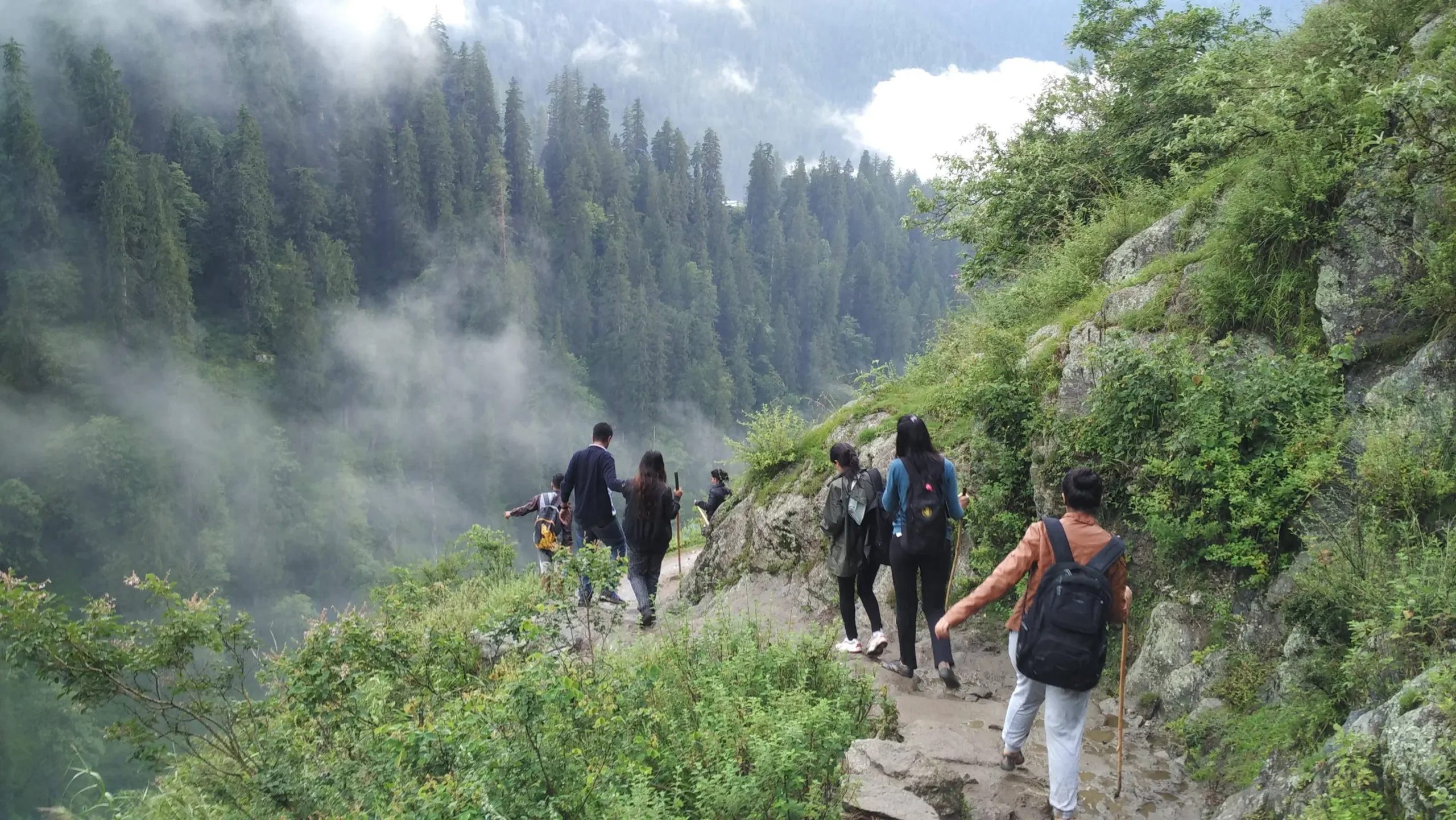
- Final gear check, water refill, safety briefing by our guides and start of the trek from Barshaini. The trail initially descends slightly towards the river and then begins a steady climb through pine and deodar forests.
- The trail passes traditional houses, prayer flags, and small tea stalls. Midway, a halt at Rudranag waterfall gives time for photos and a short rest.
- After Rudranag, some sections turn steeper and occasionally slippery, but regular breaks keep the ascent comfortable for most participants. Total trekking distance is around 6-7 km and usually takes 3-4 hours with breaks.
- Arrival at Nakthan campsite by late afternoon/early evening, settle into tents allotted on double/triple/quad sharing as per the package selected by you.
- Evening tea, followed by dinner at the campsite and enjoy around a bonfire and play games with your group under a star‑filled sky, depending on weather.
Day 4
Kheerganga → Barshaini → Kasol → Overnight to Delhi
- Wake up early at our campsite in Nakthan and after breakfast begin the morning trek towards Kheerganga through pine forests, waterfalls and scenic Himalayan landscapes.
- Reach the Kheerganga meadow, take a dip in the Parvati Kund hot springs, visit the ancient Kartikeya Temple and spend some time enjoying panoramic views of the Parvati Valley.
- After enjoying and exploring the meadows, begin the descent towards Barshaini. Downhill trails are faster but require attention on loose stones and slippery patches.
- Reach Barshaini, board a vehicle and we will drive towards Manikaran, a major pilgrimage spot for Sikhs and Hindus with a famous gurudwara, Shiva temple and Manikaran hot springs.
- After visiting the gurudwara (and langar if time permits), head back to Kasol for last‑minute café stops or shopping, then board your evening bus/tempo traveller around 6–7 pm for the overnight journey back to Delhi.
Day 5
Arrival in Delhi
- Early morning arrival at Delhi, usually around 6–9 am at the same pick‑up point you started from. The trip ends with memories, photos, stories and lot’s of new friends who were strangers at the beginning of the trip.
Accommodation
Kasol Riverside Guesthouse/Camp
Clean twin-sharing rooms with hot water, Wi-Fi, and river-facing balconies.
Kheerganga Mountain Camp
Comfortable quade/triple/double sharing dome tents at the Nakthan campstie with sleeping bags and shared washroom facilities.
Meals: Day 2 & 3 dinner. Day 3 &4 breakfast included. All lunches (Days 1 & 5) are at your own expense.
Kheerganga Trek from Delhi Inclusions & Exclusions
What's Included
- Delhi–Kasol–Delhi AC Volvo bus/tempo traveller tickets (round trip)
- Local transfers: Kasol–Barshaini and back
- 1 nights guesthouse in Kasol (twin sharing)
- 1 nights tented camp at Nakthan
- All meals: Day 2 & 3 dinner to Day 3 &4 breakfast
- Expert trek guide and group captain for 5 Days
- Trek permits, forest fees, hot spring entry
- First aid kit & safety equipment
- 24/7 trip coordinator support
Not Included
- Personal travel insurance
- Tips for guide and driver
- Personal trekking gear
- Lunch from Day 1 to Day 5
- Any expenses due to itinerary changes caused by weather
Trek Distance, Altitude and Difficulty
- Delhi to Kasol distance: Around 480-500 km by road, usually 11–14 hours journey depending on weather and traffic.
- Kasol to Barshaini: Approx 16-17 km and 35–45 minutes drive by taxi or local bus.
- Barshaini to Kheerganga trek distance: Approximately 12 km one way and total trekking distance across two days is around 24 km including ascent and descent.
- Maximum altitude: Around 2,960 m (9,700 ft) at Kheerganga top and hot springs
Most first‑time trekkers generally take 3-4 hours to reach Nakthan village campsite from Barshaini with breathing and Chai Maggie breaks. The path is well‑defined, but there are long gradual climbs, rocky patches, and in monsoon and winter seasons, muddy or snowy sections can test stamina and skills that’s why it’s recommended to always plan your Delhi to Kheerganga trekking adventure with reputed operators like us “Kheerganga Trekking Adventure”.
Best Time to Do Kheerganga from Delhi
Kheerganga is open mostly year round except for some monsoon or heavy snowfall days, but if you want to enjoy views, trails and weather all together, it’s better to pick the right season.
- Spring – Summer (March to June): Forests turn lush, wildflowers start appearing and days are pleasantly warm while evenings remain cool. This is the best time if you want T‑shirt weather during the day and light layers at night.
- Post‑Monsoon (September to November): This is our most recommended period because rains have washed the valley clean, skies are usually clean, and visibility is excellent for photography and stargazing.
- Monsoon (July–August): The Parvati Valley becomes ultra‑green, and waterfalls are spectacular, but trails can be muddy and slippery with increased landslide risk, so we advise caution for trekking at peak monsoon.
- Winter (late November to February): Snow covers upper sections and we either restrict or pause departures because heavy snow and ice can make the route risky for beginners. We sometimes run snow treks for expert trekkers with prior experience.
For a first‑time “Kheerganga from Delhi” experience, April–June and September–November are the best choices in terms of trail condition and weather.
Why This Trek is So Popular
What makes Kheerganga stand out among dozens of other Himachal weekend treks for Delhi travelers is how much it offers in just a few days off:
- Kasol’s Hippie Vibe: Before you even start the trail, you get a full day in Kasol – riverside walks, Israeli cafés, live music evenings and a backpacker crowd from across India and abroad.
- Forest and River Trail: The trek from Barshaini follows the Parvati River for long stretches, cutting through dense pine and deodar forests and passing apple orchards and traditional wooden homes.
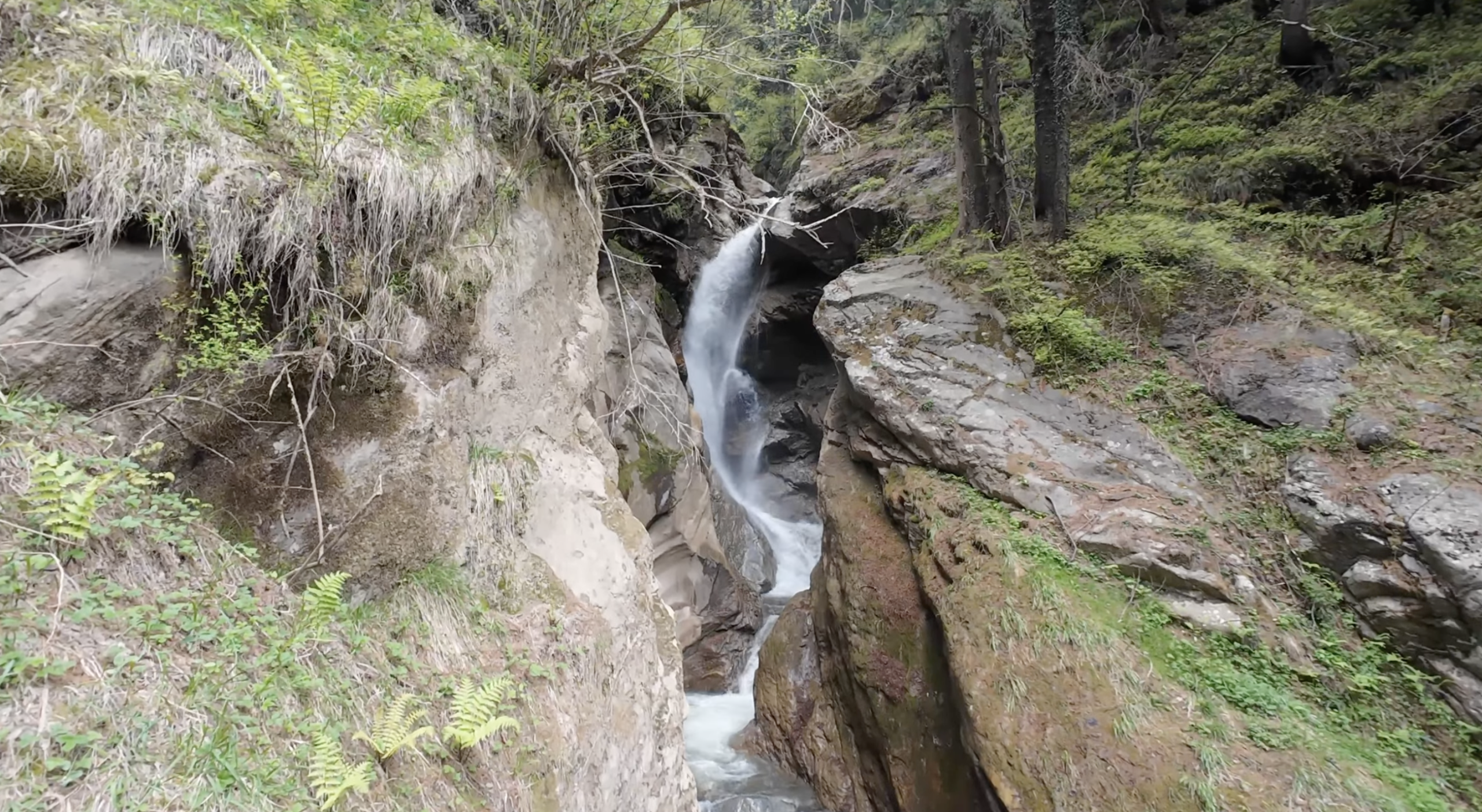
- Waterfalls and Rudranag: Multiple cascades appear along the path, but Rudranag waterfall often described as snake‑shaped is the star photo‑stop and a most popular mid‑way break point for our travellers.
- Parvati Kund Hot Springs: At the Kheerganga top, a dip in natural hot water pools soak away trek fatigue.
- Camping and Starry Skies: Camping at our Nakthan campsite means bonfires, songs (no speakers), fun games with strangers, delicious meals and a sky full of stars on clear evenings, far from city lights.
We also add a spiritual stop at Manikaran Gurudwara with its own hot springs and you have a weekend that blends mountain culture, trekking and spiritual Himalayan energy in one circuit.
How to Reach: Delhi to Kasol and Barshaini
From Delhi to Kasol
All our fixed‑departure packages start from Delhi on a Thursday evening, making this a true weekend‑friendly trek.
- By bus (most common):
Overnight Volvo/AC buses or tempo travellers depart from Kashmiri Gate, ISBT or Akshardham, covering around 500+ km to reach Bhuntar or directly to Kasol in about 11–14 hours. From Bhuntar, regular local buses and taxis run up Parvati Valley to Kasol (around 30 km). - By car:
If driving yourself, the route generally goes via Delhi – Chandigarh – Bilaspur – Mandi – Bhuntar – Kasol, with long windy mountain sections after Mandi. - By air:
The nearest airport is Kullu–Manali (Bhuntar); from there, Kasol is around 30 km by road.
Kasol to Barshaini (Trek Start Point)
Barshaini is the small roadhead village near the confluence of the Parvati and Tosh rivers from where the Kheerganga trail officially begins. It is about 16-17 km from Kasol, usually a 35–45 minute drive by taxi, tempo traveller or local bus depending on road and group size.
Trek Highlights You Should Not Miss
- Kasol & Chalal: Riverside cafés, backpacker hostels, forest walk to Chalal and the sound of the Parvati River as a constant background.
- Parvati Valley Trail: Long stretches of pine and deodar forests, old rustic village scenes, wooden bridges and river views between Barshaini and Kheerganga.
- Rudranag Waterfall: A dramatic, snake‑shaped waterfall that acts as both a landmark and a natural rest point on the trail.
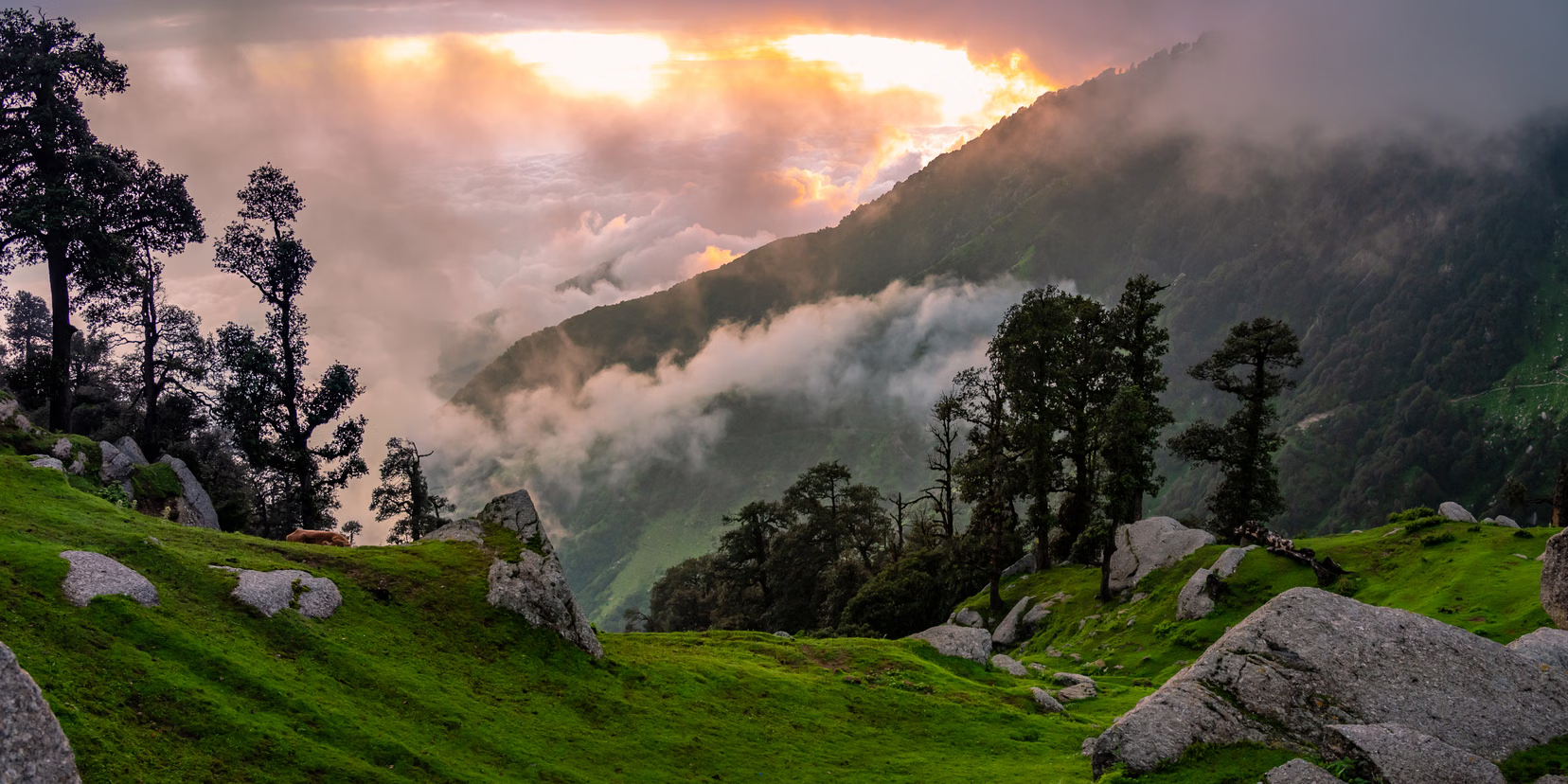
- Kheerganga Meadow: Open grassy Himalayan meadow surrounded by ridges, famous for sunrise views.
- Parvati Kund Hot Springs: The natural hot water pool at Kheerganga where trekkers take a dip, said to be both relaxing and spiritually significant in local lore.
- Manikaran Gurudwara & Temple: Hot springs, langar, and the spiritual atmosphere of this riverside temple add a cultural layer to the trip.
Things to Carry on Delhi to Kheerganga Trek
- 40–60 litre backpack: Big enough to carry warm clothes and essentials while still being comfortable for trekking.
- Trekking shoes with good grip: Helpful on rocky, muddy and slippery sections of the trail. No sports shoes.
- Extra pairs of socks: Dry socks make a huge difference after long hours of trekking and during cold evenings.
- Floaters or sandals: Useful around campsites and for relaxing your feet after the trek.
- Warm jacket: Nights in Parvati Valley can get surprisingly cold even during summer.
- Fleece jacket or hoodie: Ideal for layering during early mornings and evenings.
- Quick-dry T-shirts (2–3): Comfortable for trekking and easy to dry if they get wet.
- Track pants: Lightweight and faster drying than jeans, making them better for mountain trails plus multi purpose to carry gadgets in pockets.
- Thermals (winter/early spring trips): Adds warmth without taking much backpack space.
- Cap or hat: Protects from harsh mountain sunlight during the daytime trek.
- Woollen beanie: Keeps you warm during chilly nights and early mornings.
- Sunglasses: Helpful against bright mountain sunlight and glare.
- Sunscreen and lip balm: Prevents sunburn and dry or cracked lips in cold mountain weather.
- Quick-dry towel: Compact, lightweight and useful during stays or hot spring visits.
- Basic toiletries: Carry essentials like toothbrush, toothpaste, soap, wet wipes and tissues in small quantities.
- Personal medicines: Carry all doctor-prescribed medicines and anything you may need regularly.
- Small first-aid kit: Include basics like painkillers, band-aids, antiseptic cream and motion sickness tablets.
- Reusable water bottle: Helps avoid buying plastic bottles during the trek, most of our camps offer water refills.
- Torch or headlamp: Very useful during night walks, moving around campsites or power cuts.
- Power bank: Charging options at the campsite are limited due to remote location.
- Snacks and energy bars: Nuts, chocolates or dry fruits are great for quick energy during the trek.
- Rain cover or poncho: Weather in the Himalayas changes quickly, especially during monsoon months.
- Government ID proof – Carry an Aadhaar card, driving licence or any valid photo ID for camp check-ins and permits if required.
- Cash in small denominations – UPI and mobile networks may not work properly in remote villages on the trail, so keep enough cash for snacks and small purchases.
- Earphones or earbuds – Useful during the overnight bus journey or while relaxing at the campsite.
- Rain cover for backpack – Protects clothes and electronics from sudden mountain rain.
- Plastic zip-lock bags or dry bags – Helps keep phones, wallets and clothes safe from rain or moisture.
- Mobile charger and charging cable – Power cuts are common, so keep your charging essentials easily accessible.
- Small day pouch – Helpful for carrying essentials like phone, wallet, water bottle and sunglasses during short hikes around the campsite.
- Toilet paper or tissues – Handy during the trek as facilities can be basic in some at the campsites
Frequently Asked Questions
Where exactly does the Delhi group depart from?
We coordinate buses from Kashmere Gate ISBT or Majnu Ka Tilla (near ISBT). Exact boarding point shared at the time of confirmation.
What if my bus gets delayed?
Mountain road delays are common. Our guide monitors arrival and adjusts Day 2 sightseeing accordingly. The core trek (Days 3–4) is protected.
How long is the Kheerganga trek from Barshaini?
The complete trek from Barshaini to Kheerganga is around 12 km one way. However, since camping at Kheerganga is banned, we split the trek over two days. On Day 1, we trek around 6–7 km from Barshaini to our campsite near Nakthan and on Day 2, we continue the remaining 5–6 km trek from Nakthan to Kheerganga.
Is this trek suitable for first‑time trekkers?
Yes, Kheerganga is one of the most popular beginner treks because the trail is well‑marked and you don’t need any technical skills, but you should be able to walk for several hours and handle gradual ascents.
What is the maximum altitude on the trek?
The Kheerganga top and hot springs are located at about 2,960 metres, which is high enough for genuine mountain views but low enough that most people acclimatize without serious altitude issues.
When is the best time to do Kheerganga from Delhi?
The best time to do Kheerganga trek is from April-June and September-November, when the weather is pleasant, trails are safer and views are clearer.
Can I do this trek in winter?
We run some group departures and winter batches, but heavy snow from late November to February can block or make hard a few sections of the trail, so winter departures are usually limited to trekkers who are prepared for snow and cold.
Is monsoon a good season for Kheerganga?
Monsoon brings lush greenery and waterfalls but also slippery mud, swollen streams and higher landslide risk, so it’s not recommended for first‑timers and is approached cautiously even by experienced trekkers. You can consult with our team as we do have some group departures during monsoon from Delhi.
How do I reach Kasol from Delhi?
You can take an overnight Volvo or tempo traveller from Delhi to Bhuntar or Kasol, covering just over 500 km in 11–14 hours, and then a short bus or taxi ride from Bhuntar to Kasol. In our Kasol to Kheerganga trek package all transfers are covered so that you enjoy the views and not worry about logistics.
Where does the actual trekking start?
The trek starts from Barshaini, a small village that acts as the last roadhead, we will drive from Kasol to Barshaini and then follow the trekking trail up to Kheerganga.
How difficult is the Kheerganga trail?
Kheerganga trek is mostly rated as easy–moderate by our trekkers. There are continuous climbs and a few steeper patches, but the path is clear and you can maintain a slow, steady pace with plenty of breaks. Our expert team of guides is always there to help you in navigating these patches.
What kind of accommodation is there in Kasol and Kheerganga?
In Kasol, you will stay in hostels or campsites as per the package selected by you during the booking. At Kheerganga, you stay in a basic yet comfortable campsite at Nakthan village with shared washrooms and limited electricity, designed more for experience than luxury.
Are meals included in trek packages?
Yes meals are included in the Kheerganga trek from Delhi covering breakfasts and dinners, café meals and extra snacks are at your own cost.
What should I pack for this trek?
Carry a 40–60 L backpack, good trekking shoes, a warm jacket, light fleece, 2–3 quick‑dry T‑shirts, trekking pants, cap, woollen cap, personal medicines, basic toiletries, water bottle, torch/headlamp, power bank and some light snacks.
Will I get a mobile network and charging points?
You’ll usually get a network in and around Kasol but very limited or no signal at Nakthan campsite and Kheerganga top, electricity at campsite is basic and sometimes only in common areas, so charge devices in advance and keep a power bank.
Do I really need a guide or can I do it solo?
Many people trek to Kheerganga without a guide in peak season because the trail is popular and easy to follow, but going with a guide or group adds safety, structure and local insights and makes the trekking enjoyable.
Are any permits or entry fees required?
A small forest entry fee is sometimes charged on the way, which is included in your package cost but it’s always best to carry some cash.
Is Kheerganga suitable for children or older adults?
Active children above 8–10 years and older adults with decent fitness and medical clearance usually manage well, but the trek is not recommended for very young children or anyone with serious health issues.
What kind of food can I expect?
On the trek, you get simple meals like rice, dal, sabzi, chapati and poha, all veg dishes, while in Kasol you can enjoy a wide range of café and Israeli food options before or after the trek.
How basic are the washrooms at the Nakthan campsite?
Expect clean shared toilets that can be either Indian or Western depending on our campsite location, basic running water and hot water for baths (not guaranteed).
Related Packages
2 Days Weekend Trek Package
- Expert local guide
- Overnight camping
- Hot springs dip
- Veg dinner & breakfast
- First aid & safety kit
₹1,800
2 Days / 1 Night
6–14 people
4.9
(312)
Kheerganga One Day Trek
- Natural Hot Springs
- Approx. 10 hours Trekking
- Guided trekking experience
- 24 km hike in a day
- Packed vegetarian lunch
₹1,260
1 Day
4–12 people
4.8
(198)
Popular Reviews
★★★★★
4.9 average from 145+ reviews
Confirmation Policy
- The customer receives a confirmation voucher via email within 2 hours after payment.
Refund Policy
- The applicable refund amount will be processed within 7 business days
Cancellation Policy
- If cancellation is made 2 days (48 Hours) before the date of trek, total booking cost will be charged as cancellation fees.
- If cancellation is made within 7 days before the date of travel, 50% cost will be charged as cancellation fees.
- If cancellation is made more than 8 days or more days before the date of travel, 0% cost will be charged as cancellation fees.
- In the event of unforeseen weather conditions, union issues, government restrictions, or any other circumstances beyond human control, trek may be cancelled. In such cases, alternate feasible options will be provided. However, a cash refund will not be given.
Payment Policy
- 100% trek cost needs to be paid in advance.