Sar Pass Trek
An ideal Himalayan trek for beginners
4.8
(76 reviews)
₹7,500
₹5,999
per person
Sar Pass Trek Highlights
Thrilling Sar Pass snow slide experience
Certified trek leaders & local guides
4 nights camping experience in the Himalayas
Kasol Return Transfers Included
Reach 13,800 ft Sar Pass Summit
Nutritious meals throughout the trek
About Sar Pass
Stand on Sar Pass, and the first thing you’ll probably do is stop. Not because you’re tired, but because the view refuses to let you walk any further.
Perched at 4,220 metres (13,800 feet), Sar Pass is where the mountains seem to stretch forever. Behind you lies the frozen Sar Lake and the long climb that brought you here. Ahead, snow-covered slopes roll into the mountains of the Parvati Valley. On a clear day, the ridgelines seem to go on forever. The valleys drop away beneath your feet. Cold mountain air. Complete silence. It feels like you’ve stepped into a different world.
Stay for a while. Catch your breath. Take in the endless peaks. Because this isn’t just another viewpoint. It’s the kind of place that reminds you why people keep coming back to the mountains, no matter how tough the journey is.
Sar Pass Trek Overview
Sar Pass is one of those treks that never lets the scenery stay the same for too long. Every day on this 5-day trek feels different, and that’s exactly what makes it such a memorable Himalayan experience.
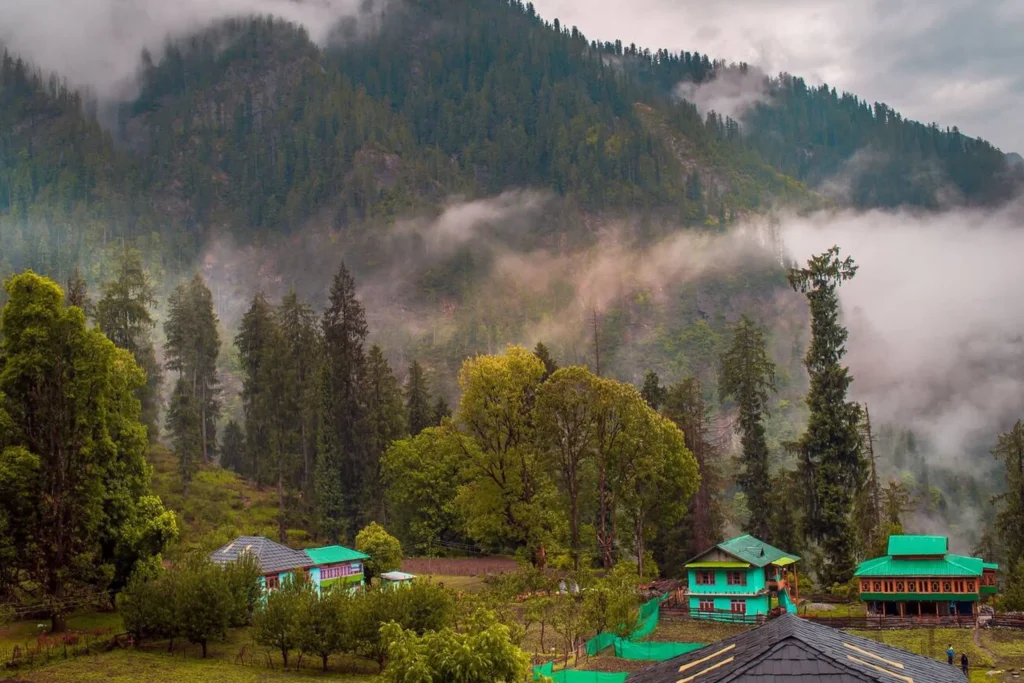
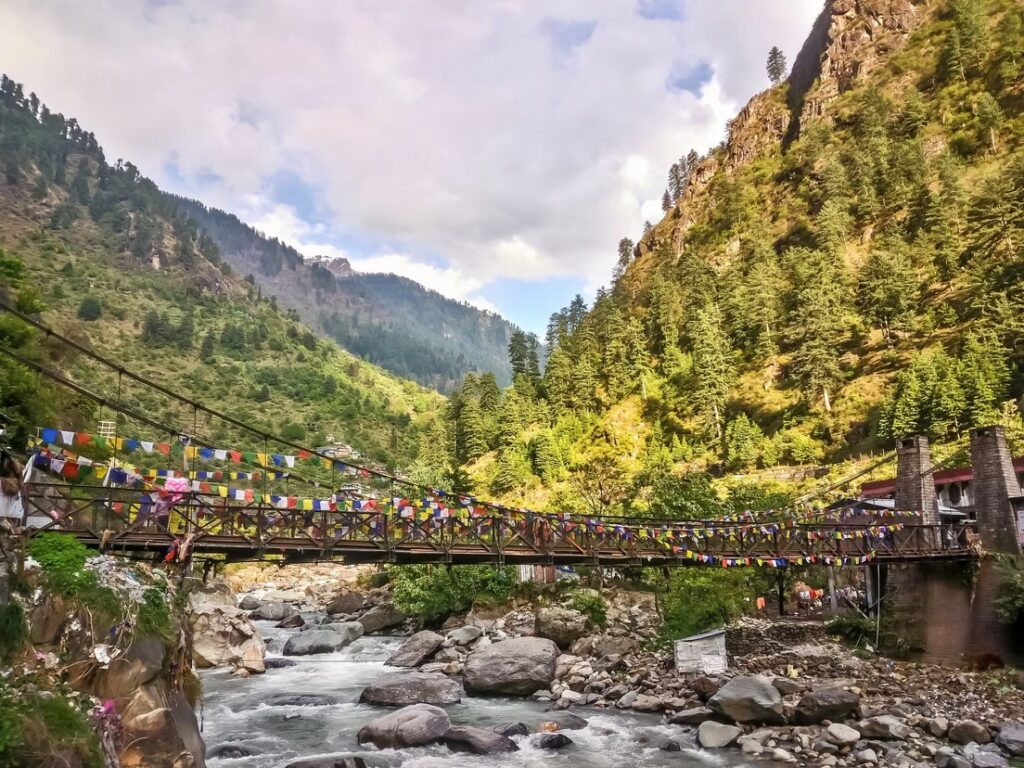
The trail begins in Kasol and gradually climbs through the traditional village of Grahan, where wooden houses, narrow paths, and apple orchards offer a glimpse into life in the Parvati Valley. Soon, you’re surrounded by dense forests of pine, deodar, and rhododendron, with streams and wooden bridges breaking up the route. Higher up, the trees disappear, giving way to the rolling meadows of Min Thach and the exposed campsite of Nagaru, where the surrounding peaks suddenly feel much closer.
The final climb leads to Sar Pass at 13,800 feet. Standing at the pass is a reward in itself. Snow-covered peaks stretch across the horizon, while vast white slopes surround the trail.
The descent is just as unforgettable. The long snow slopes below the pass become one of the most exciting stretches of the trek before the trail eases into the wide alpine meadows of Biskeri Thach. By the time you descend towards Pulga, you’ve walked through forests, villages, high-altitude camps, snowfields, and open grasslands in the span of a few days.
Quick Facts
- Route: Kasol base camp (trek starts/ends Kasol → Grahan → Mung/Min Thach → Nagaru → Sar Pass → Biskeri Thach → Barshaini → Kasol)
Start & End Point
Kasol ↔ Kasol
Max Altitude
13,800 ft
Trek Distance
48-50 km
Trek Duration
5D / 4N
Difficulty
Moderate
Best Season
Apr – Jun
Group Size
6-12
Type
Guided Trek
Highest Camp
Nagaru. 12,500 ft. Approx.
Who This Trek Suits Best
Sar Pass is a good fit if:
- You’ve completed at least one beginner trek like Kheerganga or regularly go on long day hikes and are ready for your first multi-day Himalayan trek.
- You can comfortably walk 7-10 km a day with a backpack, including steep climbs, descents, and a few long trekking days.
- You’re happy camping in tents for four nights, away from mobile networks, with basic mountain facilities.
- You’re excited to walk across snowfields and experience the famous snow slide from Sar Pass under the guidance of experienced trek leaders.
You should consider an easier trek first if:
- You have serious heart or respiratory conditions, uncontrolled medical issues, or your doctor has advised against high-altitude travel.
- You’re not comfortable with cold weather, snow, or spending long days trekking in the mountains.
- You have little to no hiking experience and want to build your endurance before taking on a high-altitude Himalayan trek.
Sar Pass Trek Itinerary
Day 1
Kasol → Grahan Village
- Altitude: Kasol ~5,000 ft → Grahan ~7,700–7,800 ft
- Trek Distance / Time: About 10 km, 4–5 hours
- Reach Kasol base camp by morning, complete registrations, gear checks and a detailed trek briefing.
- Start the trek from Kasol, keeping to the true left of the Grahan Nallah on a well‑used village trail through pine and rhododendron forest.
- After an easy first section, the trail becomes more rocky and climbs steadily away from the stream towards Grahan.
- Reach Grahan, the last permanent village on this route by mid‑afternoon; stay in tents or homestays near the village.
Night stay: Camps / tents at Grahan
Day 2
Grahan → Mung/Min Thach
- Altitude: Grahan ~7,700 ft → Mung/Min Thach ~11,100–11,150 ft
- Trek Distance / Time: About 7–8 km that takes 4–6 hours every day
- Start from the camping ground at Grahan and climb north on a trail used by shepherds heading towards Mung/Min Thach.
- The path quickly becomes steeper and enters thicker forest and you see views of Mung Thach, Nagaru and the higher slopes on your right as you gain height.
- Cross dense woods and come out into an open meadow at Mung/Min Thach, with wide views of the Chandrakhani side and Parvati valley.
Night stay: Forest / meadow camp at Mung/Min Thach
Day 3
Mung/Min Thach → Nagaru
- Altitude: Mung/Min Thach ~11,100 ft → Nagaru ~12,400–12,500 ft
- Trek Distance / Time: About 8 km, 4–6 hours
- Today’s stretch is shorter in distance but usually feels tough because of altitude, snow (in season) and steep slopes.
- Trek out of the tree line and climb towards Nagaru, often over snow from late April/May onwards depending on the year.
- Reach Nagaru, the highest and coldest campsite of the trek, with grand views of Parvati Valley and the peaks around Manikaran.
Night stay: Camp at Nagaru
Day 4
Nagaru → Sar Pass → Biskeri Thach
- Altitude: Nagaru ~12,500 ft → Sar Pass top ~13,600–13,800 ft → Biskeri Thach ~11,000–11,100 ft
- Trek Distance / Time: About 14 km, 6–8+ hours (longest, hardest day)
- Start very early (often in the dark) to make the most of hard snow and avoid afternoon softening as this is a continuous, steep climb in snow.
- Reach Sar Pass, a small, usually frozen lake (“sar”) that gives the trek its name and then climb to the top of the pass to be rewarded with wide views of Tosh side and surrounding ranges.
- After enjoying the views and a short rest, begin the famous snow slides down the other side under guide supervision, then descend towards Biskeri Thach meadows.
- Walk through meadows and small streams to reach Biskeri Thach campsite, surrounded by forests and open grasslands.
Night stay: Camps at Biskeri Thach
Day 5
Biskeri Thach → Pulga / Barshaini → Kasol
- Altitude: Biskeri Thach ~11,000 ft → Pulga / Barshaini road ~9,000–10,000 ft → Kasol base ~5,000 ft
- Trek Distance / Time: About 10 km to roadhead, 3–5 hours, plus 1–1.5 hour drive back to Kasol
- Descend from Biskeri Thach through forests and clearings, crossing small streams and fences as you move towards the Pulga / Tulga side.
- Cross the Parvati river near Pulga/Tulga and walk to Barshaini roadhead where jeeps or vehicles will be waiting.
- Drive back to Kasol, usually reaching base camp by early afternoon; collect certificates and say goodbye to the trek team.
Sar Pass Trek Accommodation
Meals: All vegetarian meals from Day 1 lunch to Day 5 lunch
Departure Dates
Custom group departures on request
Sar Pass Trek Inclusions & Exclusions
What's Included
- Stay in shared tents for 4 nights on the trek
- All vegetarian meals from Day 1 lunch to Day 5 lunch
- Certified trek leaders, local guides, camp staff and support team
- Forest permits, camping charges and other trek‑related entry fees
- Common safety gear – basic medical kit, oximeter, sometimes oxygen cylinder at higher camps
- Sleeping bags, mats and common camping equipment
- Transfers between Barshaini and Kasol at trek end
Not Included
- Travel to and from Kasol (buses / cabs / personal vehicle from Delhi, Chandigarh, etc.)
- Any extra stays in Kasol before Day 1 or after Day 5, unless specifically mentioned
- Meals in transit (on the way to Kasol and return)
- Personal snacks, café bills, bottled water, aerated drinks and other items not in the set menu during the trek
- Backpack offloading charges if you want a mule/porter to carry your bag
- Personal trekking gear: trekking poles, poncho, down jacket, gloves, etc., unless you offer rental service
- Travel insurance, medical insurance or evacuation costs
- Any extra expenses due to roadblocks, bad weather, landslides or government orders
What to Carry for Sar Pass Trek
Backpack & essentials
- 50–60 L trekking backpack with rain cover
- Daypack (15–20 L) if your main bag is offloaded, for water, camera, layers on the trail
Clothing (layering)
- 3 quick‑dry T‑shirts (1 on body, 2 spares)
- 2 trek pants (quick‑dry / track pants; avoid jeans)
- 1 thermal inner (top + bottom) for nights and high camps
- 1 fleece / warm sweatshirt
- 1 padded / down / synthetic insulated jacket
- 1 lightweight windproof / waterproof shell or poncho
Accessories
- 2–3 pairs of woollen socks + 2–3 pairs of regular socks
- Woollen cap / beanie and sun cap
- Lightweight gloves + warm, waterproof gloves (for snow days)
- Sunglasses with good UV protection (snow reflection is strong)
- Buff / neck gaiter or scarf
Footwear
- High‑ankle trekking shoes with good grip (mandatory for snow and mixed terrain)
- Lightweight slippers / floaters for camp
Health & hygiene
- Personal medicines + basic first aid (band‑aids, ORS, pain‑relief spray/gel, any prescription meds)
- Sunscreen (SPF 30+), lip balm with SPF
- Small towel, toothbrush/paste, tissue paper, hand sanitiser
- Wet wipes and menstrual hygiene products if needed
Gear & others
- Headlamp with extra batteries (must‑carry; camps and trails are dark at night)
- Trekking pole (highly recommended for both ascent and descent)
- 2 water bottles of 1 litre each or 1 bottle + hydration bladder
- Power bank and charging cable (charging options are limited and often paid)
- Energy bars, nuts, chikki, chocolate and light snacks for daily use on the trail
- 2–3 small garbage bags to carry back your personal waste
Fitness & Preparation
Sar Pass is often described as a moderately difficult trek. While it doesn’t require technical climbing skills, the combination of steep ascents, high altitude, long trekking days, and changing terrain makes good fitness essential.
To prepare for the trek:
- Walk or jog regularly and aim to comfortably cover 5–7 km without feeling exhausted.
- Include stair climbing in your routine, targeting 10–15 floors daily, for at least 3–4 weeks before the trek.
- Add strength exercises like squats, lunges, step-ups, and planks 3–4 times a week to build leg and core endurance.
- If you’re carrying your own backpack, keep it between 8–10 kg and practice walking with it before your trek to get used to the weight.
FAQs – Sar Pass Trek
1. What is the difficulty level of Sar Pass?
The Sar Pass Trek is considered as a moderately difficult trek. You may not require technical climbing or mountaineering skills, but it does require good fitness due to long trekking days, steep ascents and descents, and a maximum altitude of 13,800 ft. The climb to Sar Pass is the most demanding section, followed by a long snow descent that adds to the adventure.
2. How long is the Sar Pass trek and how many days does it take?
Sar Pass Trek can be completed with by covering a total distance of about 48–50 km over 5 days and 4 nights ex‑Kasol. This includes trekking days from Kasol to Grahan, Grahan to Mung/Min Thach, Min Thach to Nagaru, Nagaru to Sar Pass to Biskeri Thach, and Biskeri Thach to Barshaini, plus a drive back to Kasol.
3. What is the best time to do Sar Pass?
The best time to do the Sar Pass Trek is late April to June, when you’ll experience snow-covered trails, blooming meadows, and pleasant weather. Some operators also run treks in September and October, but you can expect less snow and colder nights.
4. Will there be snow on the trek?
Yes. If you trek between late April and June, you’ll likely encounter snow from Nagaru onwards, especially on the summit day. You’ll also get to walk across snowfields and experience the famous Sar Pass snow slide under the supervision of trained trek leaders.
5. What kind of stay and toilets are provided?
During the trek, you’ll stay in twin-sharing tents at all campsites. Separate dry bio-toilets are set up at each camp, offering a hygienic and eco-friendly toilet facility in the mountains.
6. Is there mobile network on Sar Pass?
You’ll get a reliable mobile network in Kasol, but connectivity becomes weak after the trek begins and is usually unavailable beyond Grahan. Expect to stay offline for most of the trek, so it’s best to inform your family and friends before you start.
7. Can I get porter service during the trek?
Yes, you can avail the backpack offloading service at an additional cost. Your main backpack is carried by mules or porters, while you only need to carry a small daypack with essentials such as water, snacks, a rain jacket, and personal belongings during the trek.
8. What about altitude sickness (AMS)?
Yes. The Sar Pass Trek reaches an altitude of 13,800 ft, where the risk of Acute Mountain Sickness (AMS) increases. You may experience mild symptoms such as headache, nausea, dizziness, fatigue, or shortness of breath, particularly after reaching higher camps like Nagaru. To reduce the risk, we follow acclimatisation protocols and monitor trekkers keeping them hydrated, maintaining a steady pace and ensuring proper meals during the trek.
Sar Pass Trek Reviews
★★★★★
4.8 average from 76+ reviews
Confirmation Policy
- The customer receives a confirmation voucher via email within 2 hours after payment.
Refund Policy
- The applicable refund amount will be processed within 7 business days
Cancellation Policy
- If cancellation is made 14 days before the date of trek, total booking cost will be charged as cancellation fees.
- If cancellation is made within 20 days before the date of travel, 50% cost will be charged as cancellation fees.
- If cancellation is made more than 21+ days before the date of travel, no cost will be charged as cancellation fees.
- In the event of unforeseen weather conditions, union issues, government restrictions, or any other circumstances beyond human control, trek may be cancelled. In such cases, alternate feasible options will be provided. However, a cash refund will not be given.List Item
Payment Policy
- 100% trek cost needs to be paid in advance.