Kheerganga is an easy to moderate trek and you should pack light so that you enjoy the trail instead of worrying about weight on your shoulders. We recommend you carry a waterproof rucksack of 40-50 L, good trekking shoes, waterproof jacket, headlamp, hiking trousers, personal first-aid kit, toiletries, swimwear and enough cash.
If you are packing correctly for Kheerganga then the trail feels easy, safe and enjoyable. If you pack wrong then even this easy weekend trek can feel long and tiring. We recommend to keep your bag between 5-7 kilos and still leave ample space for snacks, water bottle and your camera accessories to create insta worthy reels.
Here is The Complete Kheerganga Checklist Snapshot:
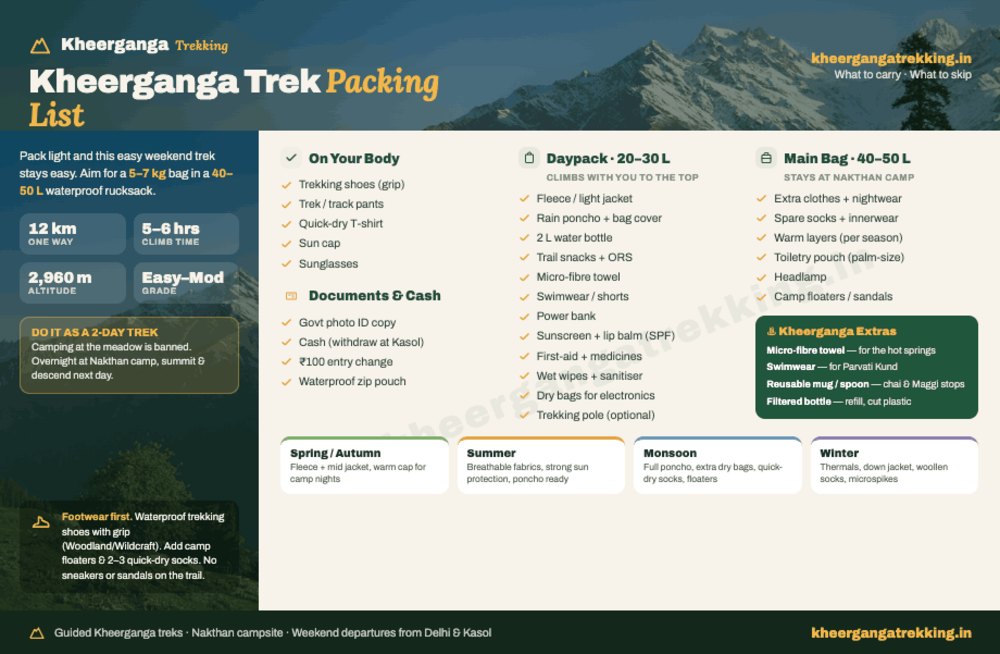
Packing Items for Your Body:
- Trekking shoes
- Trek pants / track pants
- Quick‑dry T‑shirt
- Sun cap
- Sunglasses
Packing Items for Your Daypack (20–30 L):
- Light fleece / jacket
- Rain poncho or waterproof jacket + bag cover
- 2 litres water bottle
- Trail snacks and ORS
- Micro‑fibre towel
- Swimwear / shorts
- Photo ID copy, cash
- Power bank
- Sunglasses, sunscreen, lip balm
- Small first aid kit + personal medicines
- Tissues / wet wipes, hand sanitiser
- Dry bag / plastic covers for electronics
Packing Items for Your Main Bag at Base Stay:
- Extra T‑shirts, pants, nightwear
- Extra socks and undergarments
- Extra warm layers depending on season
- Toiletry pouch
- Headlamp
Understand The Trek Before You Pack
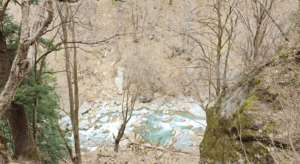
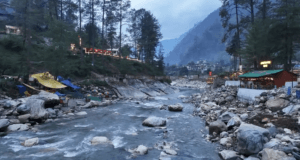
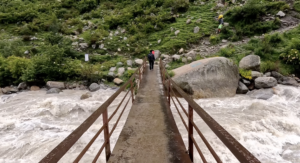
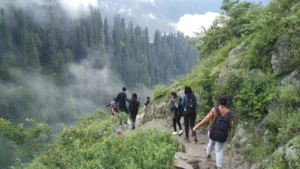
Kheerganga is a 12 km forest trail from Barshaini village that takes around 5–6 hours one way for most trekkers, depending on number of breaks and fitness level. The path has long ascents, rocky steps, and muddy patches near waterfalls, so your packing list needs to be according to the trail.
Since 2024, the Forest Department has banned camping at Kheerganga meadow. Some people do this trek as a day trek but that’s very exhausting and tiring. We recommend you to do this trek in 2 days by starting early from Barshaini village and reaching our campsite at Nakthan village. Next morning, trek to the Kheerganga top and descend down by the evening.
Because of these rule change, your Kheerganga Packing List should focus on:
- Main backpack (40–50 L): To carry all your clothes, accessories, toiletries, daypack and all other non‑trek items at the campsite.
- Daypack (20–30 L): To carry this from Nakthan campsite to Kheerganga top, with water, rainwear, snacks, warm layer and other small essential items.
1) Footwear for Kheerganga Trek:-
When it comes to trekking and especially Himalayan trek footwear is the most important part of the packaging list. We recommend wearing good quality trekking shoes of brands like Woodland or Wildcraft. Shoes that are waterproof, light on weight with good grip are recommended for Kheerganga trail. Don’t carry sneakers, sandals and normal sports shoes as these can make the trekking experience difficult and unpleasant.
- The trek has uneven rocks, tree roots, steep climbs and slippery sections near waterfalls. Carrying good quality hiking shoes or sturdy trail‑running shoes with good grip is necessary.
- Carry a pair of comfortable flippers or sandals to be used at the campsite.
- Start wearing your shoes for a week or two before the trek to avoid blisters on the climb or descent.
- Carry 2–3 pairs of sports or trekking socks made of synthetic or wool blends that dry quickly.
- In winters, add one pair of woollen socks for evenings at the campsite. Local shops in Kasol and Barshaini even sell thick yak‑wool socks that many of our trekkers love.
Note: If you forget shoes, you may find basic shoe rentals near Barshaini, but comfort and grip will not be as good as your own shoes.
2) Clothing Layers for Kheerganga Trek:-
Weather can change suddenly in Parvati Valley from sunny days to cold wind in minutes, so layers always work better instead of one jacket.
Base Layer (For All Seasons):
- 2–3 quick‑dry T‑shirts (synthetic or merino). Cotton clothes stay wet, cools you down, and causes chills when you stop walking.
- 1–2 track pants that dry fast and allow easy movement. We don’t recommend jeans because they get heavy and stiff when wet.
Mid and Warm Layers (Depend on Month):
- Light fleece or sweatshirt for evenings and shaded sections, even in summer.
- One warm jacket (padded/down or thick fleece) for late autumn, winter, and early spring.
- Thermals (top and bottom) if you are trekking between November and February or if you feel cold easily.
Accessories:
- Sun cap or hat for daytime to protect from strong mountain sun.
- Buff or scarf for dust, cold wind, and extra warmth around neck and face.
- Light gloves in colder months, your fingers can get numb on early‑morning starts or windy viewpoints.
Follow this rule:- You should be able to add one layer of clothing every time you stop for a long break and remove one layer as soon as you start sweating.
3) Rain Protection During the Kheerganga Trek:
Even during non monsoon months, light showers and sudden storms are common on the Kheerganga trek. Ponchos are very popular on this route because you can pull them on fast and they shield your daypack from sudden downpours. In the monsoon months (July- August) you need proper rain protection like a waterproof jacket or heavy duty poncho.
- A heavy‑duty rain poncho that covers both you and your backpack. This works better than a thin “water‑resistant” jacket in mountain rain.
- Or a waterproof jacket plus a separate rain cover for your bag if you already trek regularly.
4) Documents, Permits and Cash for Kheerganga
Due to Forest rules and basic purchases you must add essential documents and cash as part of your Kheerganga Packing List.
- Government photo ID: Forest check‑posts on the Barshaini–Kheerganga or Kheerganga–Buni Buni routes can ask for an ID copy; our trek leaders list this as mandatory.
- Small registration fee: Some routes charge around ₹100 per person at Barshaini for entry, so you need change handy.
- Cash: Shops and dhabas on the trail accept mostly cash and mobile networks may not be there so carrying cash with you is a must. Also, withdraw cash from Kasol ATM’s only to avoid any inconvenience.
Tip: Keep IDs, and cash in a small waterproof pouch or zip‑lock inside your daypack to avoid them getting damp in rain and for easy access.
5) Water and Snacks:
You will find shops and tea stalls on the trail, but we always recommend carrying your water bottle and basic snacks in your bag. You can always fill your water bottle on the trail and at the campsite.
Water:
- Carry at least 2 litres of water bottle like two 1‑litre bottles or one bottle plus a hydration bladder.
- A filtered water bottle is a smart upgrade, you can refill at natural streams and waterfalls without buying plastic bottles. This will also help in our mission of keeping Kheerganga clean and clean. In every trek our guides and trekkers bring back kilos of plastic garbage from the Kheeranga. We expect you to follow the same tradition and reduce your plastic footprints.
Snacks:
- Walnuts, raisins, local dried apricots, chikki, energy bars, glucose biscuits, and small bars of dark chocolate all work well.
- ORS sachets help if it is warm or if you start feeling dull or dizzy.
All these items are light in the bag and makes climbs between Nakthan, Rudranag and Kheerganga much easier.
6) First Aid and Personal Medicines
Our guides and trek leaders carry all important things in their first aid kit but still we recommend carrying your own personal first aid kit as well. It can be helpful in case of a small accident during the trek or it might be helpful for some other needy trekker.
- Band‑aids, crepe bandage, antiseptic cream or wipes.
- Pain‑relief tablets and spray/gel for muscle pull or knee pain.
- ORS sachets and basic medicine for acidity or loose motions (after checking with your doctor).
- Your daily prescription medicines in enough quantity for the full trip.
Tip: Carry a bright‑coloured pouch near the top of your daypack so you can find it easily in case of emergency.
7) Toiletries and Hygiene:
On a short trek like Kheerganga, it is recommended to carry small toiletries accessories instead of packing heavy for 7 days Himalayan trek. .
- Travel toothbrush, mini toothpaste, tiny soap or face wash, and small moisturiser.
- One small tissue pack, a few wet wipes, and a part‑used roll of toilet paper squashed flat.
- Hand sanitiser and simple lip balm (ideally with SPF).
All of this should fit into a single palm‑sized pouch. If you need more, leave it in your main bag at the base camp.
8) Electronics Accessories:
Many of our first time trekkers suggest carrying small bag of electronic accessories that will make your trekking experience better.
- Headlamp: Better than a phone torch if you are still on the trail around dusk or if there is a power issue at the campsite.
- Power bank: Cold weather drains phone batteries quickly, and you need your phone for photos, maps, and emergencies.
- Trekking pole (optional but helpful): Reduces pressure on knees, especially on steep or slippery descents.
- Sunglasses and sunscreen: UV is stronger at altitude. You can get sunburnt or develop headaches from glare even on a cool day.
9) Kheerganga Specific Packing List
Apart from general trekking gear, we recommend these Kheerganga specific accessories that hardly any other trekking company will suggest to you.
- Micro‑fibre towel: You are visiting an area famous for hot springs. A micro‑fibre towel dries quickly and does not smell or add weight on the way down.
- Swimwear or light shorts: Useful if you want to bathe in the hot springs or at Parvati Kund without struggling in your trek pants.
- Dry bags or simple plastic covers: For separating wet clothes and protecting electronics inside your backpack during rain.
- Simple reusable mug or spoon (optional): Helpful if you love chai, soup, or Maggi at multiple dhabas and want to reduce single‑use plastic.
Season‑wise Changes to Your Kheerganga Packing List
The base Kheerganga packing list stays the same, but as per the season we recommend you to adjust layers and accessories.
1) Spring & Autumn (March–April & September–October):
- This season is considered one of the best time to do Kheerganga trek.
- Regular trekking shoes and 2–3 quick‑dry T‑shirts.
- Light fleece plus one mid‑weight jacket for evenings and breezy sections.
- Thin gloves and warm cap for late autumn nights, especially if you are staying at our Nakthan campsite.
2) Summer (May–June):
- Same clothing but focus on breathable fabrics and lighter colours.
- Strong sun protection: cap, sunglasses, high‑SPF sunscreen, lip balm with SPF.
- Rain poncho or jacket still needed because pre‑monsoon showers can hit any afternoon.
3) Monsoon (July–August):
- Good quality rain gear: full poncho, bag cover, quick‑dry socks, and spare pair of light slip‑ons or floaters for after the trek.
- Extra dry bags for phone, wallet, and spare clothes. The trail and road see frequent water‑logging and spray.
4) Winter (November–February):
- Warmer base layers, heavier fleece, and padded or down jacket.
- Thick woollen socks, insulated gloves, and a beanie that covers ears.
- Very grippy soles or basic microspikes when you expect ice or packed snow
Tip: Even if you plan for a “mild” month, packing for one step colder than you expect is always better in the Himalayas.
If You’re Doing a Kheerganga Trek from Delhi
Most people planning a Kheerganga trek from Delhi generally select a 2N/3D or 3N/4D package. Overnight bus to Kasol then next morning transfer to Barshaini and trek to the campsite, Kheerganga summit next morning and then climb down and head back to Delhi.
A few extra recommended packing things:
- Neck pillow, light shawl or fleece, and eye mask or earplugs for the overnight bus.
- A small “bus kit” pouch with power bank, earphones, snacks, toothbrush, and mini face wash so you don’t unpack your full bag at random dhabas.
- One clean T‑shirt and socks reserved only for trek mornings. Changing into fresh clothes at Barshaini before starting the Kheerganga trek makes the climb more comfortable.
